Why Is Inkjet Better for Photo Printing?
Inkjet printers are generally better for photo printing because they can produce a wider range of colors and smoother tonal transitions. This means your photos will look more vibrant and realistic. They achieve this by spraying tiny droplets of ink onto the paper, allowing for great detail.
When you compare inkjet to other printing methods, like laser printing, the difference is clear. Laser printers are fantastic for text and sharp graphics, but they often struggle with the subtle color blending that makes photos pop. Inkjet technology is built for the demands of creating high-quality images, offering both precision and a broad color spectrum for your cherished memories.
- Inkjet printers excel at vibrant colors and smooth gradients.
- They produce photos with high detail and realistic tones.
- Laser printers are better for text, not photos.
- Inkjet technology is designed for image quality.
- This results in more lifelike and appealing pictures.
Let’s walk through why inkjet printers are the top choice for bringing your photos to life on paper.
“`htmlMaking Your Photos Shine: Why Inkjet Leads the Pack
You’ve taken a fantastic photo, and now you want it on paper. You might be wondering why inkjet printers seem to be the go-to for this. It all comes down to how they handle color and detail. We found that inkjet technology is designed with images in mind.
The Magic of Droplets: How Inkjets Work
Imagine tiny paintbrushes. That’s sort of what inkjet printers do. They spray tiny droplets of ink onto the paper. Each droplet is precisely placed. This allows for incredible detail and smooth color blending. You get a much more natural look than with other methods.
Color Blending and Gradients
Think about a sunset photo. You have soft transitions from orange to pink to purple. Inkjets excel at creating these smooth gradients. They can mix colors on the fly. This prevents harsh lines or banding you might see elsewhere. Your sky will look like a real sky.
Sharpness and Fine Details
Beyond color, inkjets also capture fine details well. The small ink droplets allow for crisp edges on subjects. You can see the texture in fabric or the subtle lines on a face. This level of precision is key for making photos look realistic and professional.
Inkjet vs. Laser: A Photo Printing Showdown
It’s easy to get confused between inkjet and laser printers. Both have their strengths. But when it comes to photos, the choice usually leans heavily toward inkjet. Let’s break down why they perform so differently.
Laser Printers: Built for Text, Not Tone
Laser printers use toner powder and heat. They create sharp text and graphics very efficiently. This is why they are popular for offices and documents. However, this process isn’t ideal for the subtle nuances of photos. Toner can sometimes make colors look flatter.
The Toner Toner Issue
Toner is essentially plastic particles fused onto the paper. This can create a slight sheen or texture that isn’t always desirable for photos. The way toner lays down ink is also less precise for blending. You might notice slight dots or graininess in smooth color areas.
Inkjet Printers: Designed for Images
Inkjet printers use liquid ink. This ink is absorbed into the paper, creating a more natural look. The tiny droplets allow for a wider color gamut. This means they can reproduce a broader range of colors. More colors mean more vibrant and true-to-life photos.
The Advantage of Liquid Ink
Liquid ink offers better control over saturation and shade. It blends more softly on the page. This is why inkjet prints often have that smooth, continuous-tone look. It mimics how we see color in the real world.
Specialized Photo Inks
Many inkjet printers designed for photos use more than just the basic CMYK (Cyan, Magenta, Yellow, Black) inks. They might include light cyan, light magenta, red, green, or gray inks. These extra colors help reproduce skin tones more accurately. They also improve the range of darks and grays for black-and-white photos. This is a major advantage over standard laser printers.
| Feature | Inkjet Printer | Laser Printer |
|---|---|---|
| Ink Type | Liquid Ink | Toner Powder |
| Color Blending | Excellent, smooth gradients | Fair, can show banding |
| Detail Reproduction | Very high, fine dots | Good for text, less for subtle photo detail |
| Color Gamut | Wider range, more vibrant | More limited, can appear flatter |
| Best Use | Photos, graphics, mixed media | Text documents, sharp graphics |
Beyond the Printer: Paper Matters Too!
While the printer does the heavy lifting, the paper you choose is also important. Inkjet printers work best with specialized photo papers. These papers are designed to hold the liquid ink without bleeding. They also have coatings that enhance color vibrancy and sharpness.
Paper Types for Inkjet Photos
You’ll find various types of photo paper. Glossy papers give a shiny, vibrant finish. Matte papers offer a softer, non-reflective look. Some papers mimic the feel of traditional darkroom prints. Using the right paper with your inkjet printer makes a big difference.
A Quick Checklist for Your Photo Printing Needs
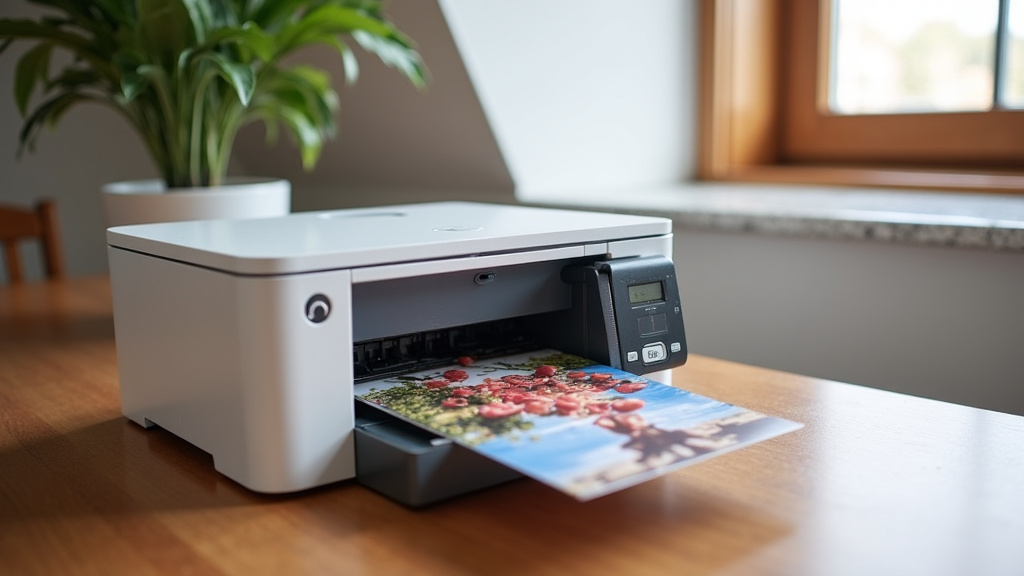
Thinking about printing photos at home? Here’s what to keep in mind:
- If your main goal is printing stunning photos, inkjet is your best bet.
- Look for printers with multiple ink cartridges, especially photo-specific colors.
- Always use high-quality photo paper designed for inkjet printers.
- Consider printers that offer borderless printing for a professional edge.
- Don’t forget to check the printer’s resolution (DPI); higher is generally better for detail.
- Experiment with different paper types to see what look you prefer.
Conclusion
You’ve learned why inkjet printers are your best choice for printing beautiful photos. Their ability to spray tiny ink droplets allows for incredibly smooth color blends and sharp details. Unlike laser printers, which are built for text, inkjets are designed from the ground up to capture the nuances of images. Remember to pair your inkjet printer with quality photo paper for the most vibrant and realistic results. Ready to bring your memories to life? Start by choosing an inkjet printer and the right paper today.
Frequently Asked Questions
Can I print photos on a regular office inkjet printer?
Yes, you can print photos on many standard office inkjet printers. While dedicated photo printers offer more advanced features and specialized inks, a good quality inkjet will still produce much better photo results than a laser printer. For best results, use photo paper.
What makes photo paper so important for inkjet printing?
Photo paper has special coatings that work with liquid inkjet ink. These coatings prevent the ink from spreading out, ensuring crisp details and vibrant colors. Regular paper can absorb ink too much, making photos look dull and blurry.
How do extra ink colors (like light cyan or gray) improve photos?
Printers with extra ink colors, beyond the basic CMYK, can reproduce a wider spectrum of shades. This leads to smoother transitions in skin tones and skies. For black and white photos, gray inks create better depth and subtler shades of gray.
Is inkjet printing more expensive than laser for photos?
Generally, the initial cost of an inkjet printer is lower than a comparable laser printer. However, the cost per photo can be higher with inkjets due to ink cartridge usage, especially if you print frequently. Laser printers are more cost-effective for high-volume text printing.
Will my inkjet photos fade over time?
The longevity of inkjet photos depends on the inks and paper used. Many modern inkjet inks and high-quality photo papers are designed for archival purposes, meaning they can last for decades without significant fading, especially when kept out of direct sunlight.