How to Use a Scotch Laminator Machine
To use a Scotch laminator machine, set the heat for your pouch thickness, wait for the ready light, place your item in the pouch, and feed it sealed edge first. Let the machine pull the pouch through at its own speed, then let it cool flat.
On this page (9 sections)
- How do I choose the right Scotch laminator for my items?
- How do I prepare the machine before laminating?
- How do I pick the right pouch thickness?
- How do I place an item inside the pouch?
- How do I feed the pouch through the machine?
- How do I finish and store a laminated item?
- What causes jams, bubbles, and cloudy seals?
- How do I clean and care for the machine?
- What is the fastest safe routine for a single sheet?
To use a Scotch laminator machine, set the heat for your pouch thickness, wait for the ready light, place your item in the pouch, and feed it sealed edge first. Let the machine pull the pouch through at its own speed, then let it cool flat.
That sequence covers home, school, and small office use. The details below explain pouch choice, warm-up, feeding, finishing, and fixes for common problems.
How do I choose the right Scotch laminator for my items?
Choose by pouch width and pouch thickness first. A 9 in machine handles letter size and smaller items, while wider items need a wider throat.
The Scotch PRO TL906 thermal laminator machine accepts pouches up to 9 in wide and works with both 3 mil and 5 mil pouches. It has two heated rollers and two temperature settings, so you can match heat to the pouch.
If your items are wider than 9 in, do not force them through. Measure the item and pouch before you buy, and leave a small border inside the pouch edge for a clean seal.
For a broader look at sizes and types, read our guide to a laminator machine for paper. It explains when a small personal machine makes sense and when a wider model is a better fit.
Which Scotch model suits a home office?
The Scotch PRO TL906 suits a home office or classroom where most work is letter size or smaller. Scotch says it laminates at 15 in per minute and warms up in 5 to 6 minutes.
Two 8.5 in by 11 in pouches are included, so you can test on a page you do not mind losing. The machine also has a foldable input tray and hidden cord storage, which helps on a small desk.
Skip this model if you regularly laminate 11 in by 17 in sheets. For those, pouch size and throat width matter more than speed.
How do I prepare the machine before laminating?
Prepare a flat surface, the correct pouch, and a few minutes of warm-up time. Place the machine on a stable, heat-safe surface with room for items to exit at the back.
Plug it in and select the heat setting for your pouch. The Scotch PRO TL906 has settings for 3 mil and 5 mil pouches, and its light turns green when ready.
Do not feed a pouch while it is still heating. A cold roller can stick to the pouch, and a half-sealed pouch is hard to remove without tearing.
Keep the entry slot clear and the exit area empty. Items need a straight path through, and a pile of finished sheets at the back can slow the exit.
If you are new to Scotch models, our walkthrough of the scotch tl902 thermal laminator how to use covers a related model step by step.
How do I pick the right pouch thickness?
Pick 3 mil for everyday items and 5 mil for items that need more stiffness. Thicker pouches need more heat and more time, so the machine setting must match the pouch.
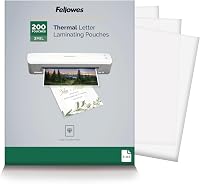
Scotch Thermal Laminating Pouches in this guide are 11 in by 17 in, 3 mil, and sold as a 25 pack. That size suits larger sheets, posters, and signs, but only if your machine throat is wide enough for an 11 in by 17 in pouch.
Scotch describes these pouches as clear, glossy, and suitable for items such as artwork, posters, banners, signs, flyers, schedules, and certificates. The 3 mil film gives a sealed, spill-proof finish without making a sheet overly stiff.
Check the pouch size before you start. A pouch that is too large for the throat will not feed evenly, and a pouch that is too small will leave part of your item exposed.
A best laminator carrier sheet can help with small or delicate items, but it does not replace the need for a pouch that fits your machine.
How do I place an item inside the pouch?
Place the item flat and centered, with a small border on all sides. The sealed edge of the pouch should face the machine first when you feed it.
Open the pouch and slide the item in without bending it. Smooth corners down with your fingers, and keep the item away from the open edge so it does not catch on the rollers.
Small items such as cards and photos need extra care. Center them so the seal is even, and avoid placing them at an angle, because a crooked item can trap air near one corner.
Do not clean pouches before laminating. Scotch warns against cleaning pouches before use, and advises testing a small corner on important documents first.
Avoid acetone on pouches.
How do I feed the pouch through the machine?
Feed the sealed edge first and let the rollers do the work. Hold the pouch straight, centered, and level as it enters the slot.
The Scotch PRO TL906 laminates at 15 in per minute, so a letter sheet should pass through in about a minute. Do not push it in faster, and do not pull it out from the back.
Keep your fingers clear of the entry slot. The rollers are heated, and the pouch becomes hot as it seals.
Watch the exit side as it comes through. Light support is fine if it waves or curls while warm, but do not bend it.
For thicker 5 mil pouches, expect a slower, firmer pass. A 3 mil pouch moves through more quickly, but the rule stays the same: straight in, hands off, and no forcing.
Our roundup of the best scotch laminator machine compares Scotch models by width, heat settings, and warm-up time.
How do I finish and store a laminated item?
Let the item cool flat for a few minutes before stacking or filing it. A warm pouch can warp if you bend it too soon.
Place the finished sheet on a flat surface until it feels room temperature. Then check the edges for bubbles, cloudy areas, or weak seals.
A cloudy finish often means the heat was too low, the pouch was too thick for the setting, or the machine was not fully warm. A wavy finish can mean the pouch was pushed, pulled, or fed at an angle.
Trim edges only with care and leave a small sealed border. Cutting into the seal can let moisture back in.
Store finished items flat, away from heat that could soften the film. If you laminate a lot of office documents, our picks for the best laminator for office use show which features matter most for daily volume.
What causes jams, bubbles, and cloudy seals?
Most faults come from the wrong heat, the wrong pouch, or a crooked feed. Check those three points before you change anything else.
A jam often starts when a pouch is too thick for the setting, too wide for the throat, or fed at an angle. Turn the machine off, use a release lever if your model has one, and remove the pouch gently in the direction of travel.
Bubbles usually mean air was trapped in the pouch. Open a fresh pouch, lay the item flat, and smooth it down before feeding it.
A cloudy seal often means the pouch did not get enough heat. Make sure the ready light is on, the setting matches the mil rating, and the pouch is fully seated in the rollers.
The Fellowes FEL5738201 is a useful comparison here. It is for home or home office use, accepts 3 mil and 5 mil hot pouches plus self-adhesive cold pouches, and heats up in 4 minutes.
Fellowes says it accommodates documents up to 9.5 in wide and includes a release lever to disengage a pouch for re-centering or removal. That lever is a helpful feature if you are learning to feed pouches straight.
Before you buy or use a machine you already own, check our guide on scotch laminator recall so you can confirm your model is safe to use.
How do I clean and care for the machine?
Clean the rollers only when the machine is cool and unplugged. A small amount of adhesive build up can affect feeding, so check them now and then.
Wipe the exterior with a dry or slightly damp cloth. Keep liquids away from the entry slot, controls, and power cord.
If adhesive builds up, follow your manual's cleaning method. Some makers suggest a cleaning sheet or dry cloth, and not abrasive pads unless the manual allows them.
Run a test pouch after cleaning on an item you can throw away. That check shows whether the rollers pull evenly and the seal is clear.
Store the machine flat, with the cord stored as designed. The Scotch PRO TL906 has hidden cord storage, which reduces the chance of the cord being bent or pinched in a drawer.
Many offices pair a laminator with a paper shredder machine for confidential pages and a book binding machine for reports that need a bound finish.
What is the fastest safe routine for a single sheet?
For one sheet, warm up, set the heat, load the pouch, feed it sealed edge first, and cool it flat. That routine protects the finish and reduces jams.
Start with the machine on and the correct setting selected. Wait for the ready light, then place your item in the pouch with an even border.
Feed the pouch straight and centered, and let it exit fully before you touch the finished sheet. Cool it flat, check the seal, and file it.
If you laminate a batch, do them in small groups and check the first sheet closely. Once the setting and feed are right, the rest should follow the same pattern.
Close out your session by turning the machine off and letting it cool before you store it. That is the full method: match the pouch to the heat, feed it straight, and let it cool.
Frequently asked questions
How long does a Scotch laminator take to warm up?
It depends on the model. The Scotch PRO TL906 warms up in 5 to 6 minutes, while the Fellowes FEL5738201 heats up in 4 minutes.
Wait for the ready light or indicator rather than guessing, because feeding a pouch too early can lead to poor sealing.
Which way do I feed a pouch into a laminator?
Feed the sealed edge first, with the open edge trailing behind. Keep the pouch centered and straight, and let the rollers pull it through.
Do not push, pull, or force the pouch, because that can cause wrinkles, bubbles, or a jam.
Can I reuse a laminator pouch?
No, thermal pouches are single use. Once heated, the adhesive bonds to the item and sets as it cools.
A second pass will not remove it cleanly and can damage the pouch or the rollers.
What should I do if a pouch jams?
Stop feeding and turn the machine off if the manual allows it. Use the release lever, if fitted, to disengage the pouch, then pull it out gently in the direction of travel.
Let the machine cool before cleaning any adhesive from the rollers.