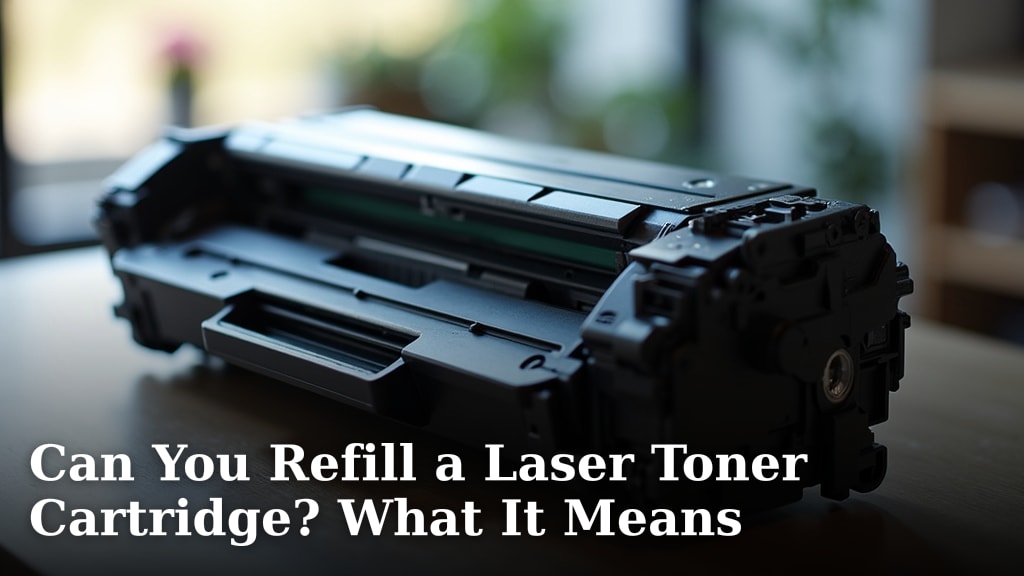
Can You Refill a Laser Toner Cartridge? What It Means
Yes, you can often refill a laser toner cartridge, but it’s not always the best option for your printer or your budget. While refilling saves money upfront, it can lead to print quality issues and potential printer damage. Many experts suggest it’s often more reliable to buy new or remanufactured cartridges.
Refilling a toner cartridge means pouring new toner powder into an empty one. This is different from remanufacturing, which involves replacing worn parts. While tempting for cost savings, DIY refills may not achieve the same results as professional solutions. You might face toner leaks or poor printing consistency.
- You can refill toner cartridges yourself.
- It’s usually cheaper upfront than buying new.
- Refilling can sometimes cause print problems.
- It might also harm your printer over time.
- Buying remanufactured cartridges is often a better middle ground.
Let’s look closer at refilling toner, what it means for your printer, and when it might be a good idea (or not!). Our guide to what a print engine is in laser printers can help clarify these components.
“`htmlRefilling Your Laser Toner Cartridge: What You Need to Know
So, you’ve run out of toner and are staring at a blinking light. Your first thought might be: “Can I just refill this thing?” The short answer is yes, you often can refill a laser toner cartridge. It’s a process where you manually add new toner powder to an empty cartridge. This is different from buying a new cartridge or even a remanufactured one. Let’s dive into what refilling really means for you and your printer.
The Basics of Toner Refilling
Refilling a toner cartridge is essentially a DIY (do-it-yourself) or a low-cost service option. You’re not replacing any parts of the cartridge itself. You’re just topping it off with toner powder. Think of it like refilling a salt shaker. You pour more salt in when it’s empty.
What Does ‘Refilling’ Actually Involve?
When you refill a toner cartridge, you typically open it up, empty any remaining old toner (sometimes), and then pour in a specific type of toner powder. Different printers use different kinds of toner. The powder has to match your printer’s make and model exactly. Using the wrong type can cause problems.
Some people do this at home, while others might take their empty cartridges to a local shop that offers refilling services. This service is usually cheaper than buying a new cartridge. It can feel like a smart money-saving move at first glance.
Toner vs. Ink: A Quick Clarification
It’s worth noting that laser printers use toner, which is a dry powder. Inkjet printers use liquid ink. These two are completely different and not interchangeable. You can’t refill an ink cartridge with toner, or vice-versa. This guide focuses strictly on laser printer toner cartridges.
The Pros and Cons of DIY Toner Refills
Refilling toner cartridges might sound like a great way to save money. And, in some cases, it can be. But there are definite downsides to consider before you grab a bottle of toner powder.
Potential Cost Savings
The biggest draw of refilling is the price. Buying a new, original brand toner cartridge can be quite expensive. A refilled cartridge, whether you do it yourself or use a service, usually costs significantly less. For businesses or individuals who print a lot, these savings can add up quickly over time.
Research shows that the toner itself is only a small part of the cost of a new cartridge. Much of the price is for the plastic housing, the chips, and the research and development that goes into the original product. Refilling bypasses many of those costs, directly impacting your wallet.
Environmental Benefits
Toner cartridges, like any disposable product, contribute to waste. When you refill an empty cartridge, you’re giving it a second (or third, or fourth) life. This means fewer cartridges end up in landfills. Many environmental groups encourage the reuse of such products.
It’s a way to reduce your carbon footprint. Instead of manufacturing a completely new plastic cartridge, you’re just replenishing the consumable toner powder. This is a win for the planet if done correctly.
Risks to Your Printer and Print Quality
This is where things can get tricky. Refilling isn’t always straightforward, and mistakes can happen. The toner powder needs to be the exact right consistency and chemical makeup for your printer. If it’s not, you might experience:
- Poor print quality: Prints might be faded, streaky, or have spots.
- Toner leaks: Loose toner powder can spill inside your printer, creating a mess.
- Damage to printer parts: Incorrect toner or improper refilling can damage sensitive components like the drum or fuser.
- Voided warranty: Many printer manufacturers state that using refilled cartridges can void your printer’s warranty.
Many experts suggest that DIY refills carry a higher risk of these issues. It’s like trying to fix your car yourself without the right tools or knowledge – you might make it worse.
When Refilling Might Make Sense (and When It Doesn’t)
The decision to refill your toner cartridge depends on a few factors. Your comfort level, the specific printer model, and your tolerance for risk all play a role.
For Older or Less Critical Printers
If you have an older printer that’s not your primary workhorse, refilling might be a low-risk experiment. If something goes wrong, you won’t be losing critical documents or business operations. It’s a way to keep an older machine running a bit longer without a significant investment.
When You Need a Quick, Cheap Fix
Perhaps you have a big print job due tomorrow and can’t wait for a new cartridge. If a local shop offers a quick refill service, and you’re willing to accept the potential print quality trade-offs, it might serve your immediate needs. However, this should ideally be a temporary solution.
Situations Where Refilling is NOT Recommended
If your printer is new, under warranty, or essential for your daily tasks, refilling is generally not advised. The potential for damage or poor performance could cost you more in the long run than buying a new or professionally remanufactured cartridge.
Also, some modern cartridges are designed with chips that are difficult to reset or refill correctly. Manufacturers actively try to make refilling harder to encourage the purchase of new cartridges. Trying to refill these can be especially problematic.
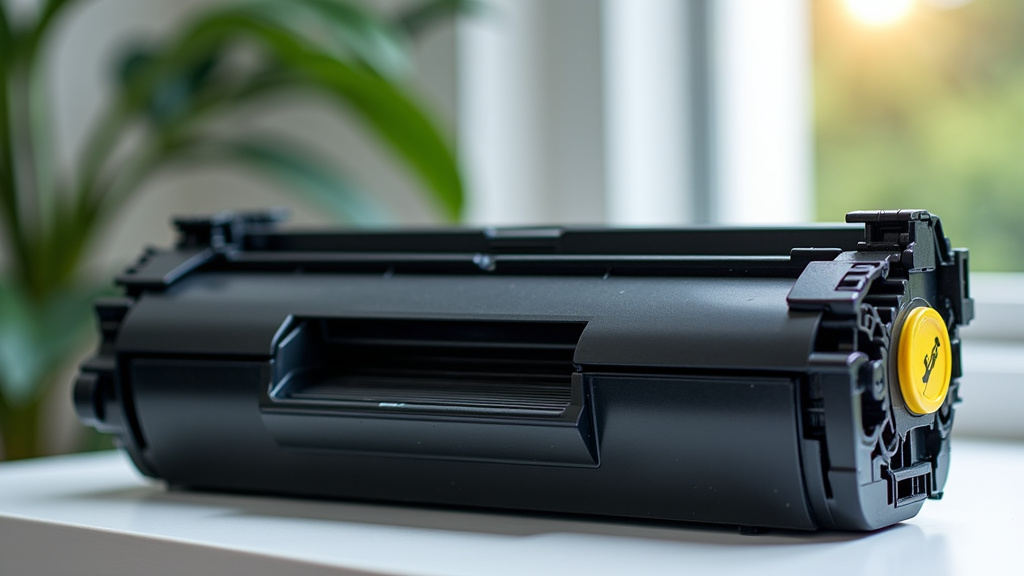
Understanding Remanufactured Cartridges: A Better Middle Ground?
If you’re looking for a balance between cost savings and reliability, remanufactured toner cartridges are often a better choice than DIY refills. What’s the difference?
What are Remanufactured Cartridges?
Remanufactured cartridges are empty, used cartridges that have been professionally cleaned, inspected, and refilled with toner. Crucially, any worn-out parts, like the drum or rollers, are replaced. They are then tested to ensure they work correctly.
It’s a much more thorough process than a simple refill. Think of it like taking a used car, having it serviced, and replacing worn parts – it’s brought back to a high standard. This process aims to deliver print quality and performance similar to a new cartridge.
Benefits of Remanufactured Options
Remanufactured cartridges offer several advantages:
- Lower Cost: They are generally less expensive than brand-new OEM (Original Equipment Manufacturer) cartridges.
- Reliability: Because parts are replaced and they’re tested, they tend to be more reliable than DIY refills.
- Environmental Friendliness: Like refilling, they reduce waste by reusing cartridge components.
- Warranty: Reputable remanufacturers often offer their own warranties, giving you peace of mind.
Many sources indicate that using high-quality remanufactured cartridges can provide a good balance of affordability and performance without the risks associated with DIY methods.
A Quick Checklist Before You Decide
Thinking about refilling? Ask yourself these quick questions:
- Is my printer still under warranty?
- Am I comfortable with the risk of print quality issues or printer damage?
- Do I have the exact correct type of toner powder and the right tools?
- Is there a reputable local service available if I don’t want to DIY?
- How critical is this printer to my daily needs?
- Have I considered the cost and reliability of a remanufactured cartridge as an alternative?
We’ve looked at what refilling means, the potential benefits, and the significant risks involved. For many everyday shoppers, there are often more reliable and less risky ways to save money on toner.
“`Conclusion
Refilling your laser toner cartridge is certainly possible, and it can seem like a quick way to save money upfront. However, our look at refilling reveals that it comes with notable risks. You might face print quality issues, toner leaks, or even damage to your printer, potentially voiding its warranty. For most everyday shoppers, we found that a professionally remanufactured cartridge offers a much better balance. They are cost-effective, environmentally friendly, and far more reliable than a DIY refill, giving you peace of mind. Before you decide, carefully weigh the potential savings against the risks to your printer and print quality.
Frequently Asked Questions
Is refilling my toner cartridge easy to do myself?
Refilling a toner cartridge yourself can be challenging. You need the exact type of toner powder for your specific printer model. Improperly pouring the powder or using the wrong type can lead to messes and print problems.
Can refilling a toner cartridge damage my printer?
Yes, there’s a risk of damage. If the toner powder isn’t compatible or if it spills inside the printer, it can harm delicate components like the drum or fuser. This damage might not be covered by your printer’s warranty.
How do remanufactured cartridges differ from refilled ones?
Remanufactured cartridges are professionally cleaned, have worn parts replaced, and are tested before being refilled. A simple refill just adds new toner powder to an empty cartridge, often without addressing any worn components.
Will refilling my toner cartridge affect my printer’s warranty?
It’s highly likely. Most printer manufacturers state that using non-OEM (Original Equipment Manufacturer) or refilled cartridges can void your printer’s warranty. This means you might have to pay for repairs if something goes wrong.
Are there environmental benefits to refilling toner cartridges?
Yes, refilling does offer environmental benefits by giving an empty cartridge a second life and reducing waste. However, remanufactured cartridges also provide these benefits and often come with a higher level of quality assurance and reliability.